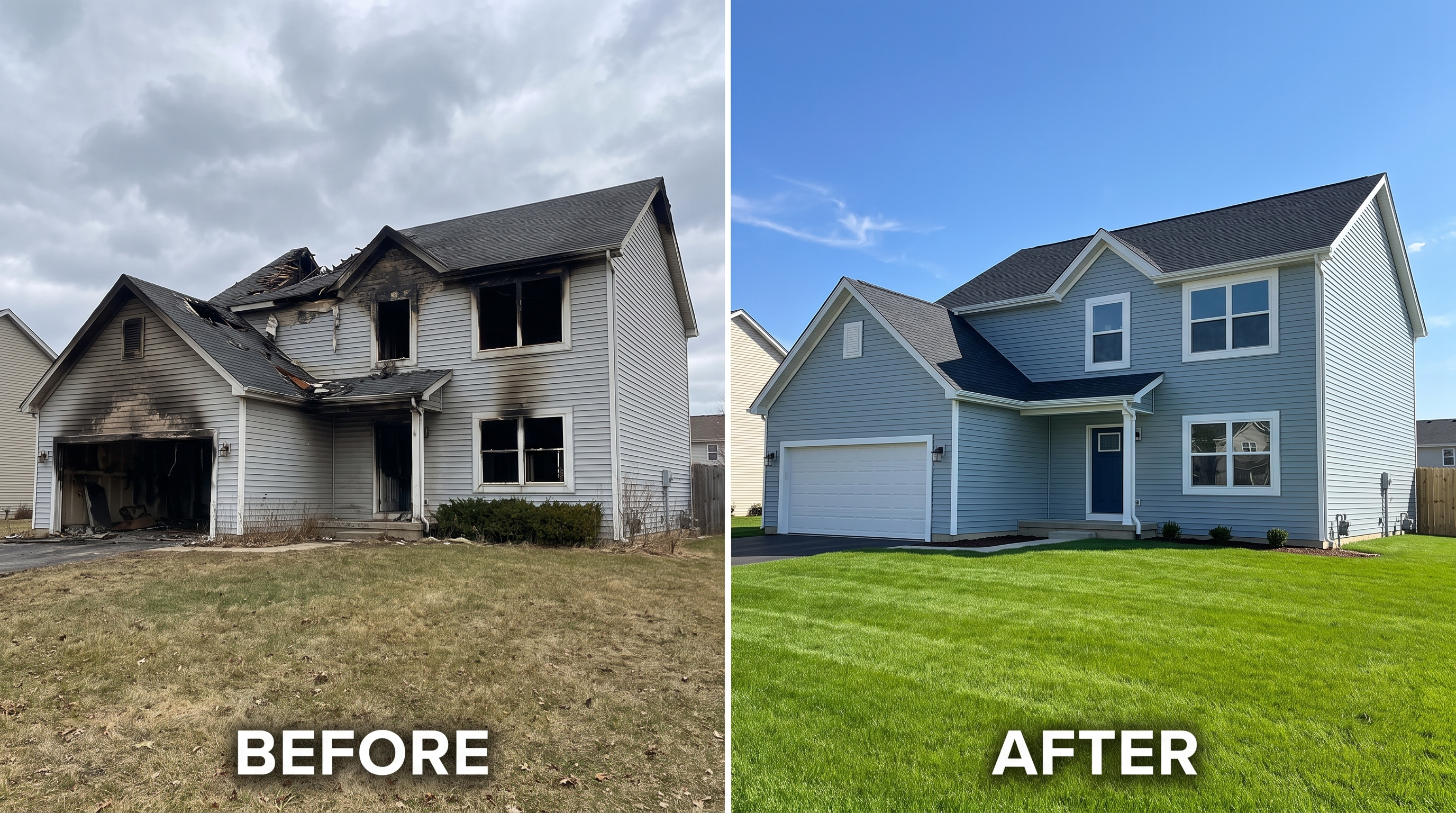
Allen smoke & soot cleanup specialists
Soot cleanup that follows the smoke path
Soot keeps damaging surfaces after the fire is out, so first cleaning decisions matter.
Allen smoke & soot cleanup specialists
Soot keeps damaging surfaces after the fire is out, so first cleaning decisions matter.
Soot is acidic. Left on painted walls, cabinets, metal fixtures, stone, appliances, electronics, and textiles, it can stain, pit, corrode, and leave odor that comes back after a surface wipe.
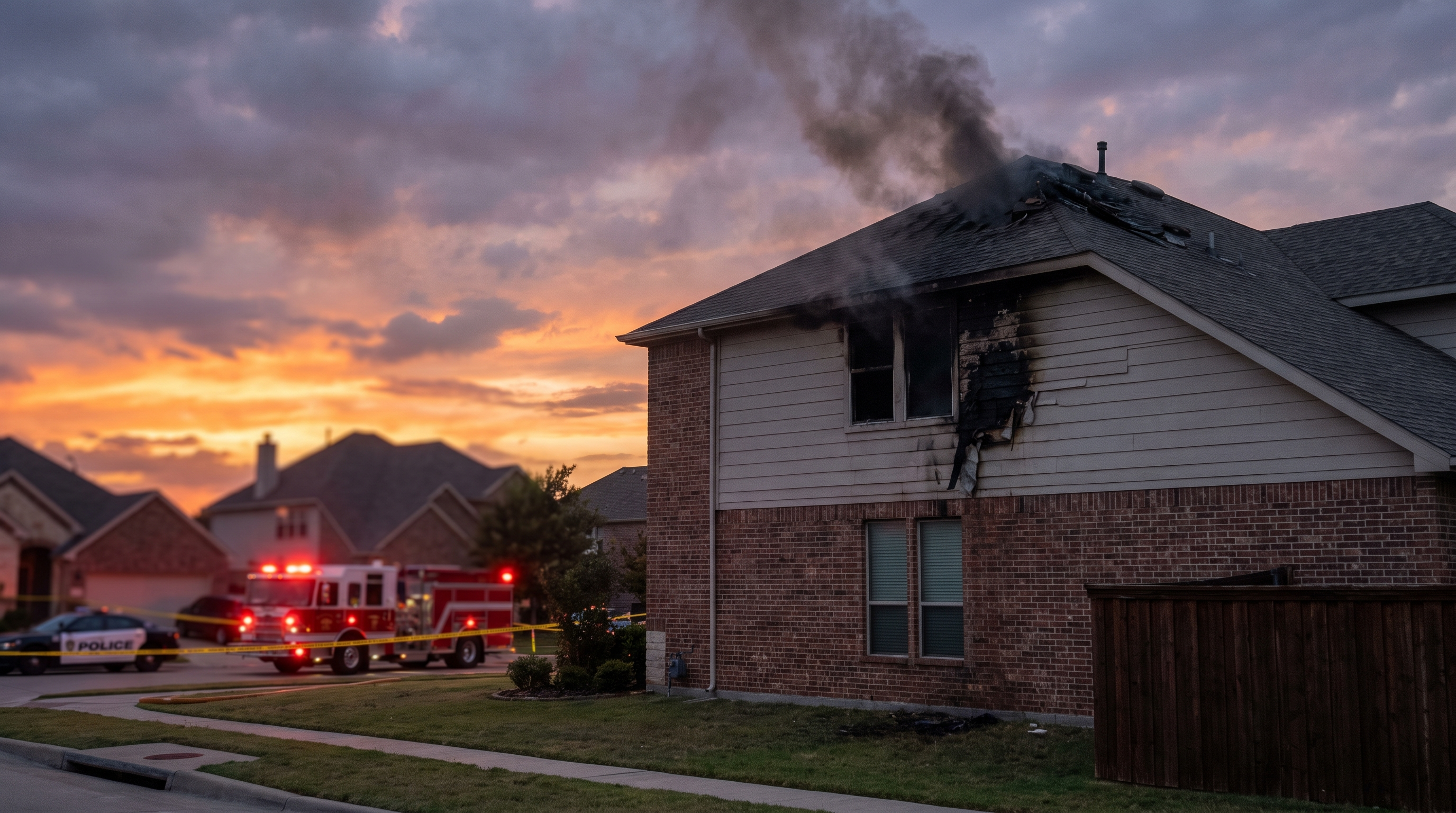
Allen homes with central HVAC systems can spread smoke through return air paths while the fire is active. That means upstairs bedrooms, closets, attic access points, ducts, and closed rooms may need inspection even if the flame damage stayed in one area.
Smoke cleanup is not one cleaning method. Protein smoke from a kitchen fire behaves in a different way than synthetic soot from burned plastics, carpet, and electronics. A contractor may need dry cleaning sponges, HEPA vacuuming, alkaline cleaners, duct cleaning, textile cleaning, and sealing of certain materials after source removal.
We connect Allen homeowners with contractors who can identify soot type, protect surfaces, and build a cleaning scope that reflects the true path smoke took through the home.
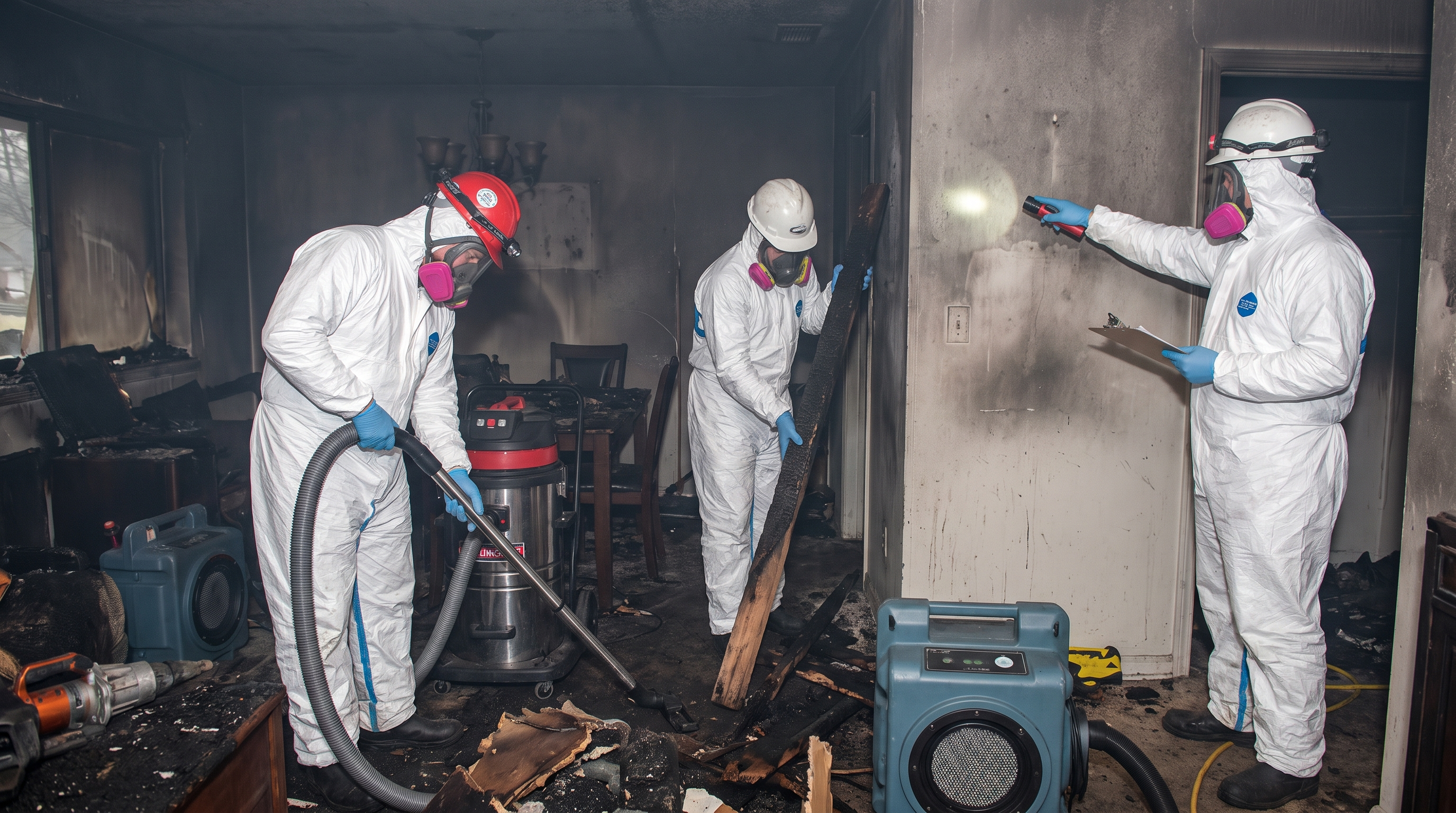
Smoke cleanup starts with containment and source control. Then the contractor selects cleaning methods based on material, soot type, and odor behavior.
The contractor checks whether the soot is dry, oily, protein-based, or mixed with synthetic residues. Different surfaces need different cleaning products and some items cannot be saved.
Walls, ceilings, trim, cabinets, furniture, fixtures, and personal items may need HEPA vacuuming, dry sponge cleaning, wet cleaning, or specialty treatment. Cleaning order matters because soot can smear into porous materials.
Registers, filters, returns, supply lines, and attic connections can hold soot and odor. A contractor should document those areas before deciding whether duct cleaning or system component work belongs in the scope.
The referral focus is not a one-room wipe-down. Contractors inspect where smoke traveled, how it entered rooms, and which surfaces need treatment before the odor plan starts.
Allen homes may include custom cabinets, stone surfaces, built-ins, electronics, and upgraded fixtures. Soot cleaning should protect salvageable materials and document items that need replacement.

Call before soot residue sets into finishes and textiles.
Free — no obligations
The contractor identifies where smoke entered rooms, ducts, closets, attic areas, and contents zones.
Residues are checked by surface and source so the cleaning method matches the material.
Crews remove loose soot, clean surfaces in sequence, and separate salvageable contents from disposal items.
Once residue sources are handled, the contractor can move into deodorization, duct treatment, or encapsulation where needed.