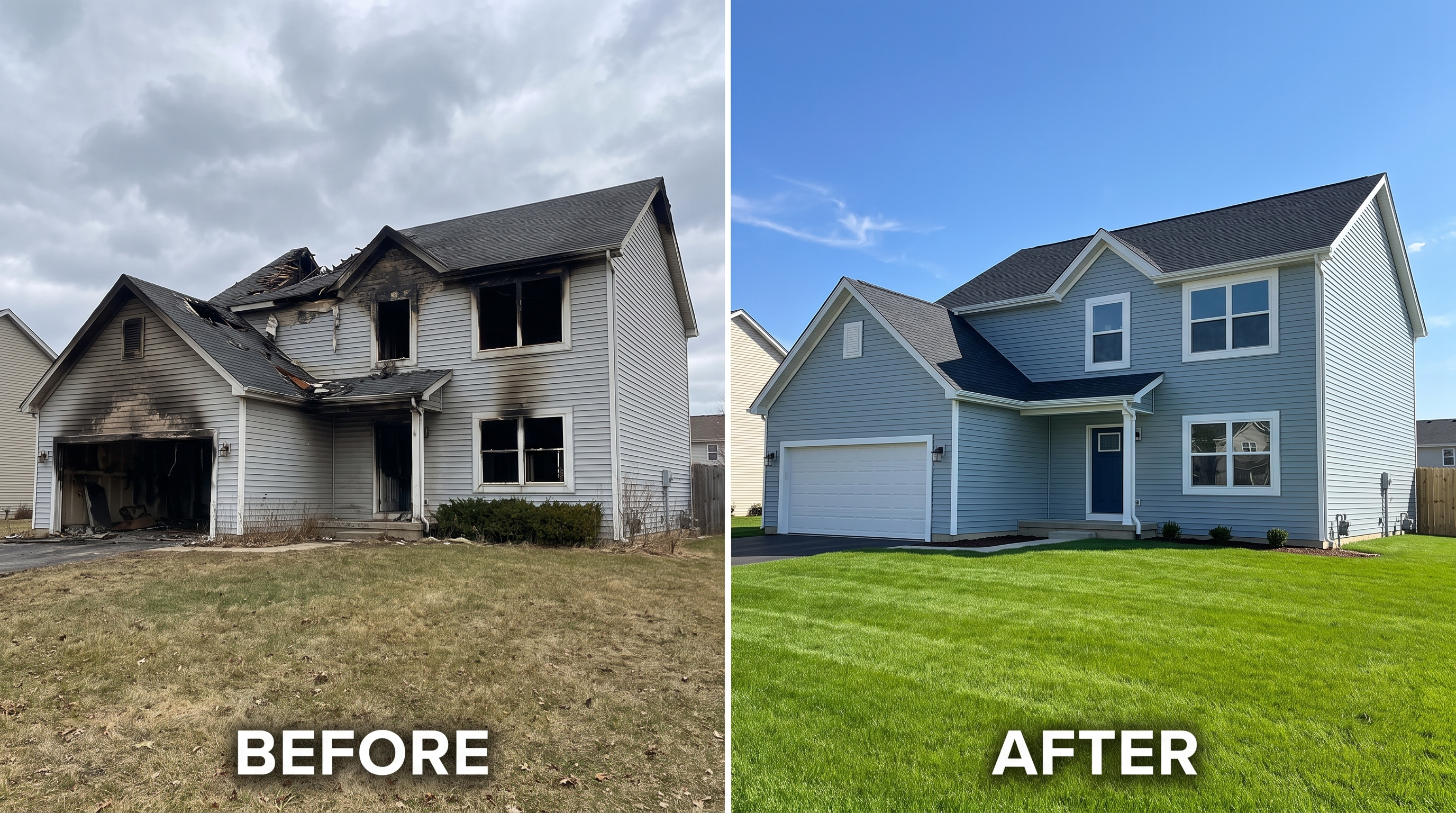
Allen smoke odor elimination specialists
Smoke odor removal that starts with the source
Air fresheners do not fix fire odor. The residue source has to be found and treated.
Allen smoke odor elimination specialists
Air fresheners do not fix fire odor. The residue source has to be found and treated.
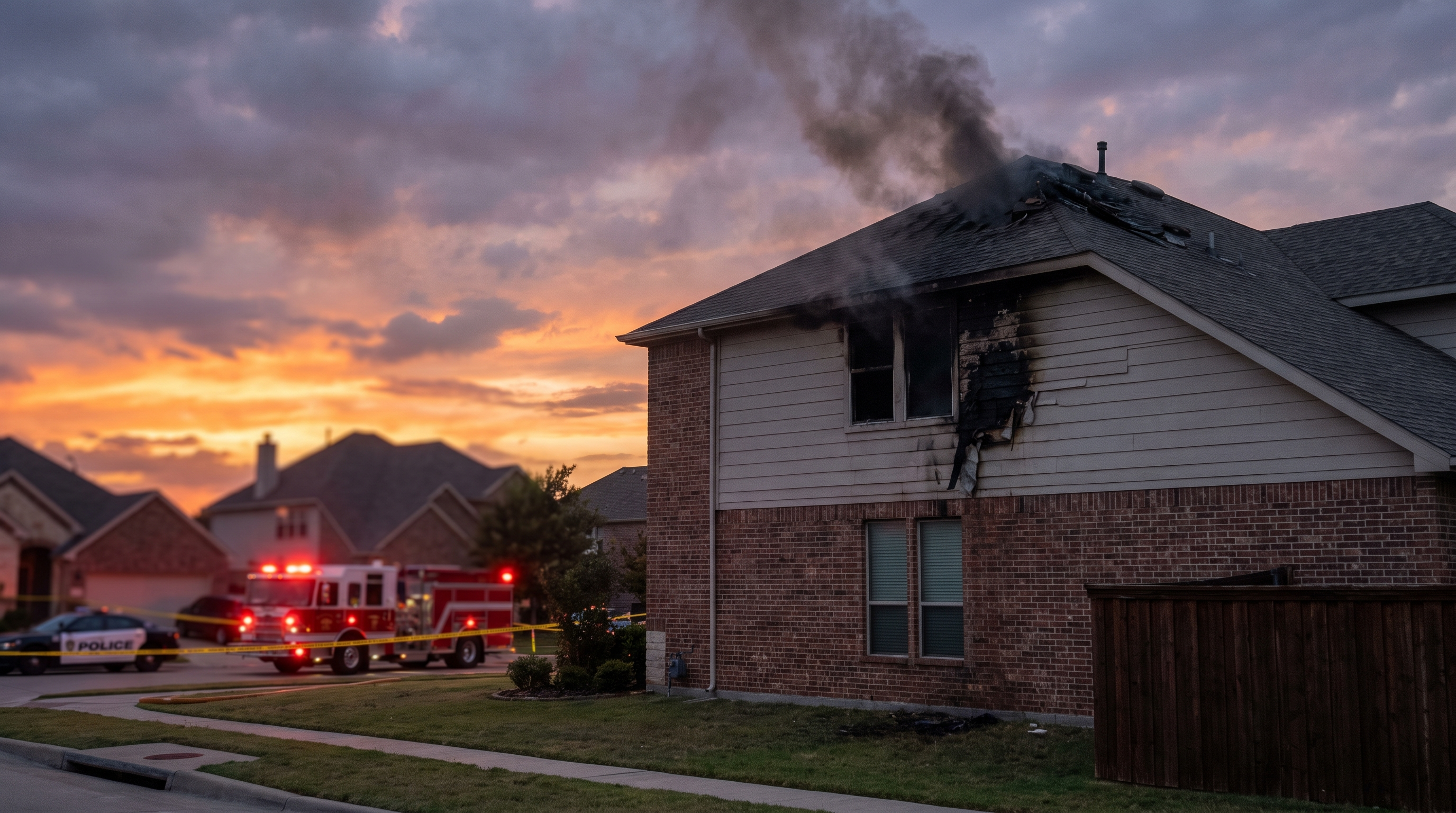
A house can look clean and still smell like smoke on a warm afternoon when attic air, HVAC cycles, or sun-heated walls release trapped odor. That is common after fire losses where residue remains in ducts, insulation, unfinished wood, cabinets, carpet pad, or contents.
Odor elimination starts after soot and smoke residue are identified. Contractors may use source removal, HEPA cleaning, duct treatment, hydroxyl generators, ozone treatment, thermal fogging, and encapsulation of stained structural materials. The right sequence matters. Deodorizing before cleaning can waste time and leave odor locked into surfaces.
Allen homes often have larger floor plans, upstairs zones, media rooms, and multiple closets where smoke can settle out of sight. A contractor should chase odor through the home instead of treating the burn room and calling it done.
We connect homeowners with contractors who can build an odor plan around the actual smoke path, not a fragrance mask.
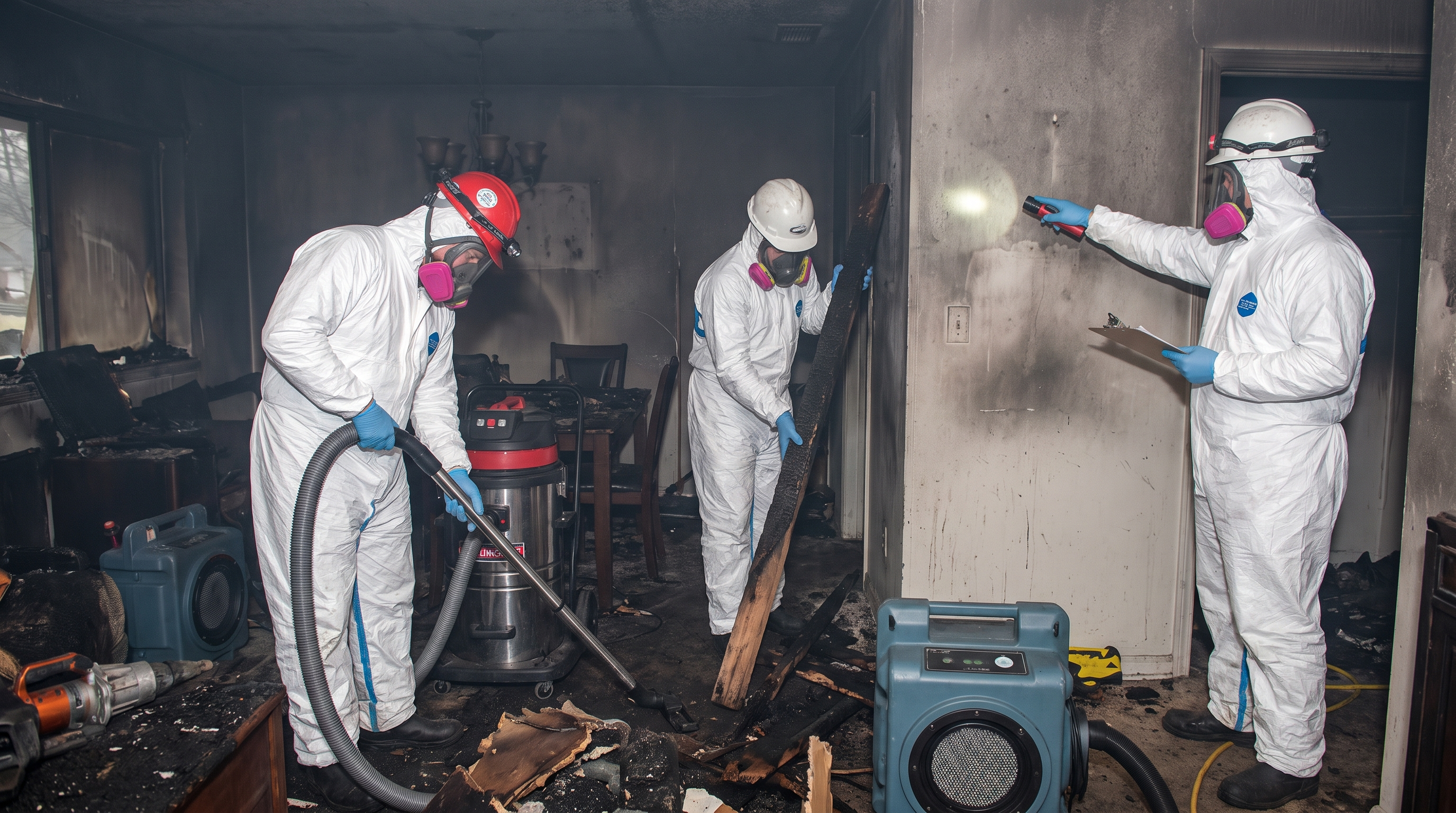
Odor work has to identify the source, remove what can be removed, clean what can be saved, and seal materials that still release odor.
The contractor checks burned materials, soot deposits, HVAC paths, attic insulation, textiles, cabinets, and contents. Odor readings are practical observations, but the search needs to be systematic.
Depending on the loss, the contractor may use hydroxyl, ozone, thermal fogging, duct cleaning, or textile treatment. Occupancy restrictions and safety rules should be explained before any treatment starts.
Some structural materials need sealing after cleaning and source removal. The contractor should verify odor reduction after treatment and before rebuild materials cover affected areas.
The referral goal is source control first. Fragrance products can hide odor for a day and leave the real problem untouched.
Smoke can reach closed rooms, duct lines, attic spaces, and contents far from the flame. Contractors should inspect those zones before deciding the odor work is complete.

Ask for an odor plan before repairs cover smoke-damaged materials.
Free — no obligations
The contractor identifies burned, smoke-stained, porous, and HVAC-connected materials that hold odor.
Soot and residue are removed from surfaces and contents before deodorization.
The contractor applies the right odor treatment for the material and explains any vacancy or safety requirements.
The home is reassessed before rebuild, paint, flooring, or contents return.