Serving McKinney
Fire Damage Assessment in McKinney
Call us for a free fire damage assessment estimate
Serving McKinney
Call us for a free fire damage assessment estimate
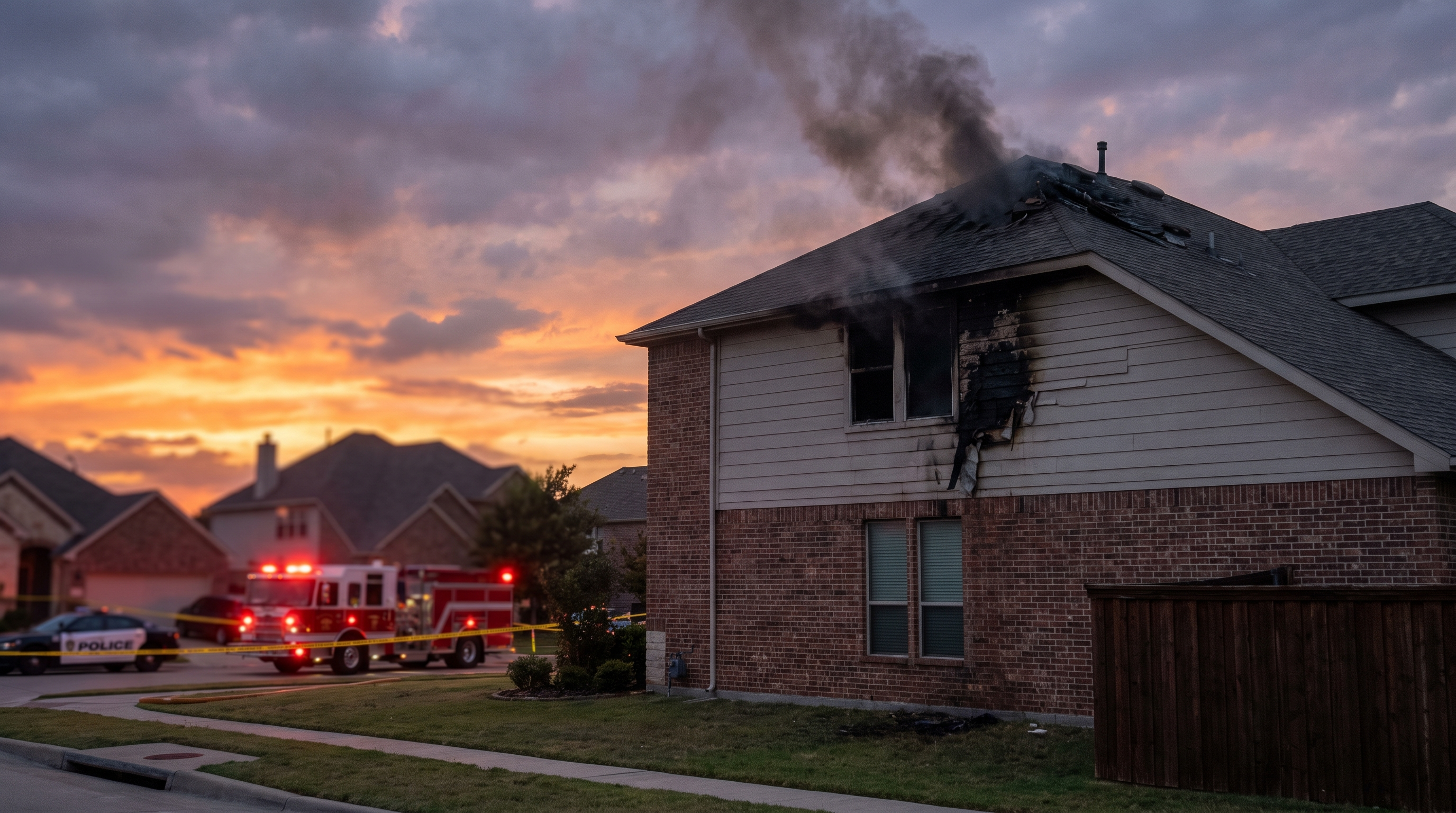
The first walkthrough after a fire sets the direction for the whole restoration file. In Allen, where many homes are larger two-story brick veneer builds, the visible burn area may be the smallest part of the loss.
A fire damage assessment should track the fire origin, smoke movement, soot type, heat damage, moisture from firefighting, electrical concerns, HVAC contamination, attic exposure, and contents impact. The contractor should take photos before moving items, record room-by-room observations, and flag safety issues that need emergency work.
This is also the stage where many claims get under-scoped. An adjuster may see a damaged bedroom and miss smoke odor in the media room, soot in supply vents, or water trapped under flooring on a slab. A contractor review gives you a second set of eyes before the first estimate becomes the working plan.
Allen Fire Damage Restoration connects homeowners with contractors who can assess the home, explain the main work categories, and support the claim with documentation that makes sense to carriers and adjusters.
McKinney has newer master-planned areas, older central neighborhoods, townhomes, and larger suburban properties. That range matters after a fire because older construction, attic layout, electrical updates, and finish materials can change both damage behavior and restoration scope.
A kitchen fire near the historic core may raise different concerns than an upstairs bedroom fire in a newer two-story subdivision. Smoke can move through HVAC systems, attic spaces, stairwells, and closets, while firefighting water may settle under flooring or drain through ceilings.
Allen Fire Damage Restoration connects McKinney homeowners with contractors who can assess structure, smoke, soot, water, odor, and contents damage before the claim scope gets locked in.
Open staircases, upstairs bedrooms, attic systems, and slab-on-grade flooring change how fire losses spread in local homes. Assessment referrals account for those patterns.
A clear record protects contents claims, structural scope, and emergency service approvals. Photos and notes should exist before damaged materials leave the house.
Request an assessment connection before demolition or disposal starts.
Free — no obligations